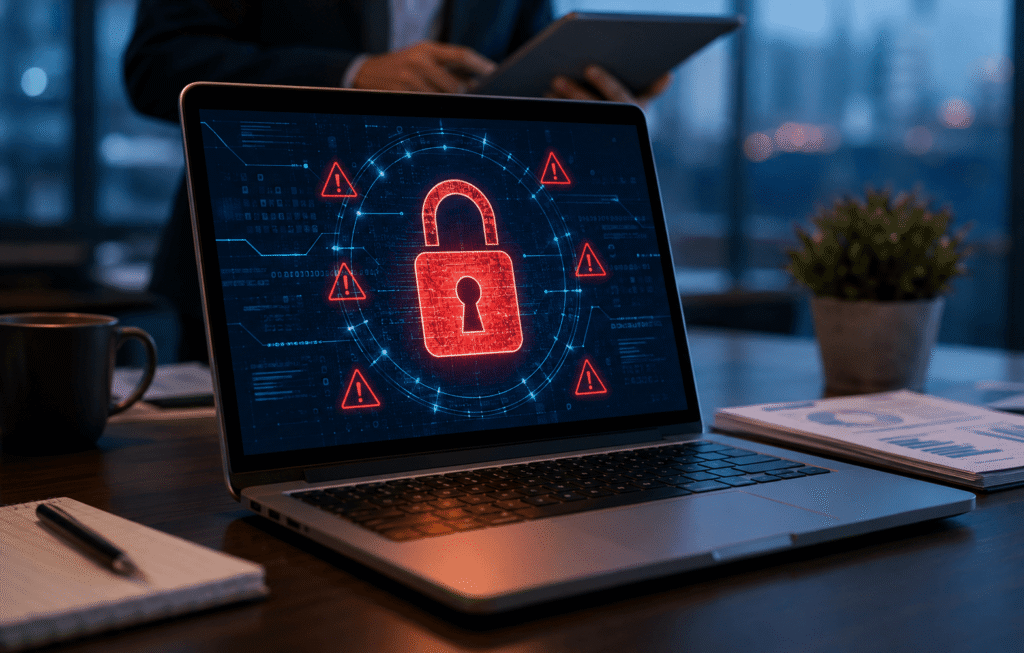
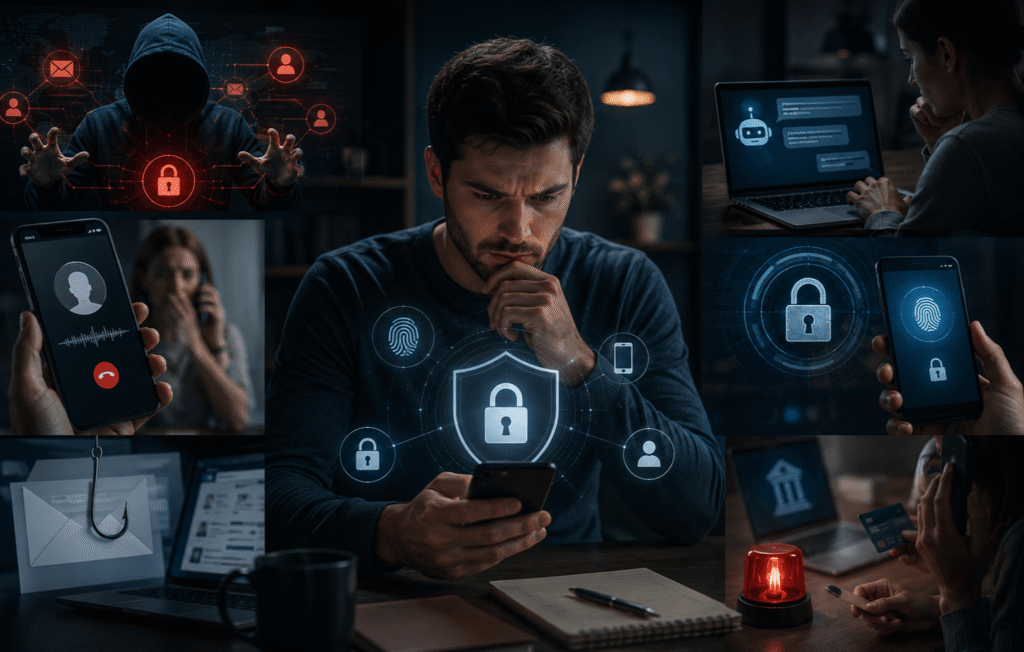
Financial scams used to be spottable by their mistakes, an urgent email full of typos, a robotic sounding voice on the phone claiming to be a relative in trouble. AI tools have quietly removed most of those tells. A scammer can now clone a familiar voice from a few seconds of public audio, generate a flawless phishing email in a company’s exact tone, or run a live, responsive fake customer service chat that adapts to whatever a victim says. Protecting your finances now requires a few specific habits rather than relying on instinct to catch something that sounds or reads wrong.
Set a verification habit for urgent money requests
Voice cloning scams typically work by creating urgency, a call claiming a family member is in an accident or in legal trouble and needs money transferred immediately, which pressures a victim to act before verifying anything. The single most effective defense is a simple family or personal rule: any urgent request for money, made by phone, text, or email, gets confirmed through a separate channel before anything is sent, calling the person back on a known number, or contacting another family member directly, rather than replying within the same conversation the request arrived through.
Treat unexpected links and attachments as suspicious by default
AI generated phishing emails can now perfectly mimic a bank or a company’s actual writing style and branding, which means the old advice to look for spelling errors or awkward phrasing no longer catches most attempts. Instead, treat the presence of a link or attachment in any unexpected financial message as the red flag itself, regardless of how polished the message looks, and navigate to the bank or company website directly by typing the address rather than clicking through from the message.
Lock down what a scammer could clone or scrape
Voice cloning tools need only a short audio sample, which can come from a social media video, a voicemail greeting, or a public interview. Setting social media accounts to private, and being cautious about how much voice or video content is publicly available, reduces the raw material available for a scammer to clone. A verbal family password, a word or phrase known only within a household and never posted anywhere online, gives everyone a fast way to confirm identity on an urgent call without needing any technology at all.
Use account level protections that do not rely on you noticing anything
Multi factor authentication on banking and email accounts stops most account takeover attempts even if a password is compromised through a convincing phishing message, since the attacker still needs the second factor to get in. Transaction alerts set to notify immediately on any transfer above a low threshold give an early warning if a scam does get through, often catching a fraudulent transfer within minutes rather than at the end of a billing cycle, when the money is far harder to recover.
If something already happened
Contacting the bank or platform immediately to freeze an account or reverse a transfer gives the best odds of recovery, since the window to stop a fraudulent transaction closes quickly. Reporting the incident to the Federal Trade Commission and local law enforcement also helps investigators track patterns across victims, even when an individual recovery is not possible, and can support a claim if the bank or a fraud insurance policy covers the loss.