Buying a home in the US has traditionally meant a slow sequence of manual steps, a real estate agent, weeks of showings, a mortgage broker, a lengthy closing process involving a stack of paper documents. Property technology companies have spent the last several years automating pieces of that sequence, not by removing the people involved entirely, but by giving buyers, sellers, and lenders faster tools for the parts of the process that used to depend on manual coordination and waiting.
Valuation without waiting for an appraiser
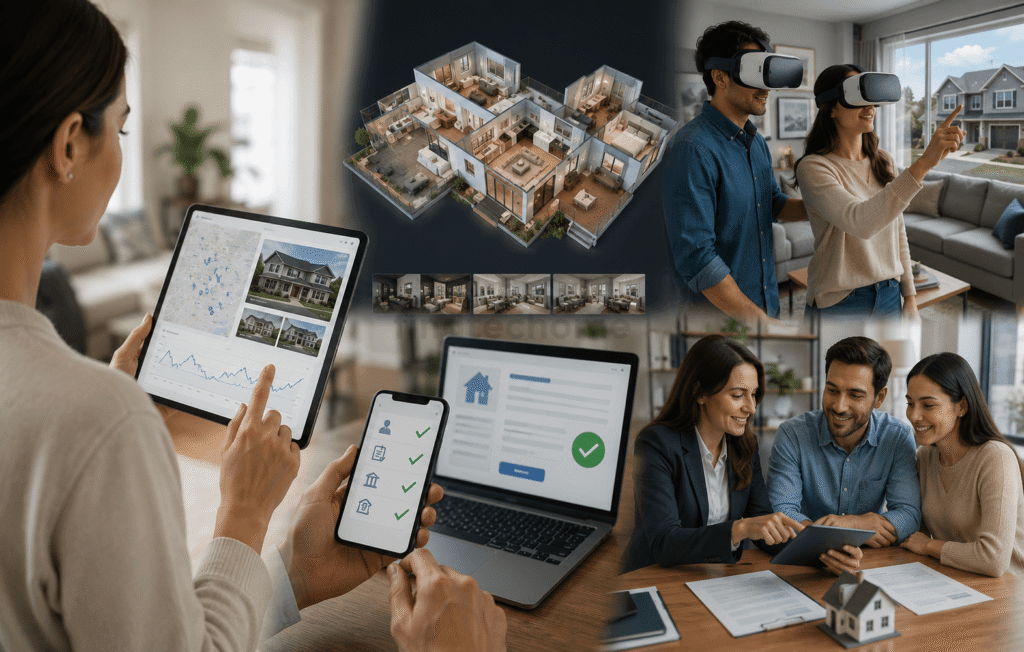
Automated valuation models now generate a home price estimate in seconds by analyzing recent comparable sales, property characteristics, and local market trends, giving buyers and sellers a reasonable starting number long before a formal appraisal happens. These tools are not a replacement for a licensed appraisal in an actual transaction, lenders still generally require one, but they have changed how buyers shop and how sellers price a listing, since both sides now enter negotiations with a data backed number instead of relying purely on an agent’s judgment or comparable listings pulled manually.
Digital mortgage applications
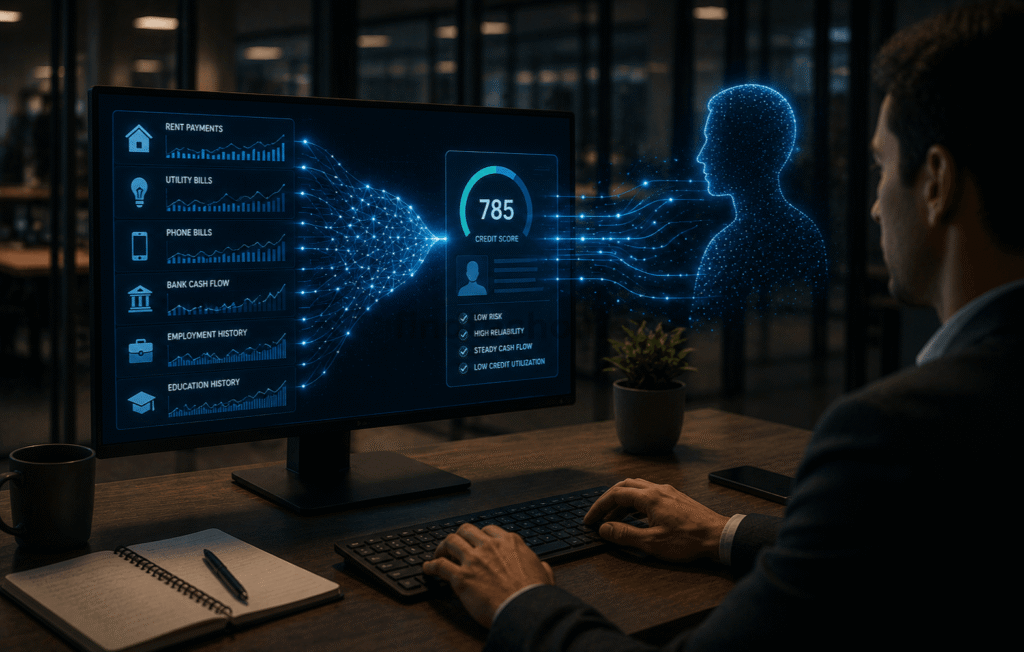
Applying for a mortgage used to mean physically gathering pay stubs, tax returns, and bank statements to hand over to a loan officer. Digital mortgage platforms now pull much of that financial data directly from a buyer’s bank and payroll accounts with permission, cutting the document collection process from weeks to days in many cases, and giving buyers a preapproval decision faster, which matters in a competitive market where a slow preapproval can cost a buyer a home to a faster offer.
Virtual tours and remote due diligence
High quality 3D virtual tours let a buyer narrow a list of homes to visit in person without spending a weekend physically walking through properties that turn out to be an obvious mismatch. This matters most for buyers relocating from another city or state, who previously had to make a purchasing decision on a short, expensive scouting trip, and now can do most of the initial narrowing remotely before booking travel for a final in person visit.
Where the human role remains essential
None of these tools have removed the value of an experienced local agent for negotiation, or a real appraiser for a lender’s formal valuation, particularly in unusual properties or markets where automated models struggle with limited comparable sales data. The realistic pattern so far is that PropTech tools handle the repetitive, data heavy parts of a transaction faster, freeing agents, lenders, and buyers to spend their time and attention on the negotiation and judgment calls that still genuinely require a person.