
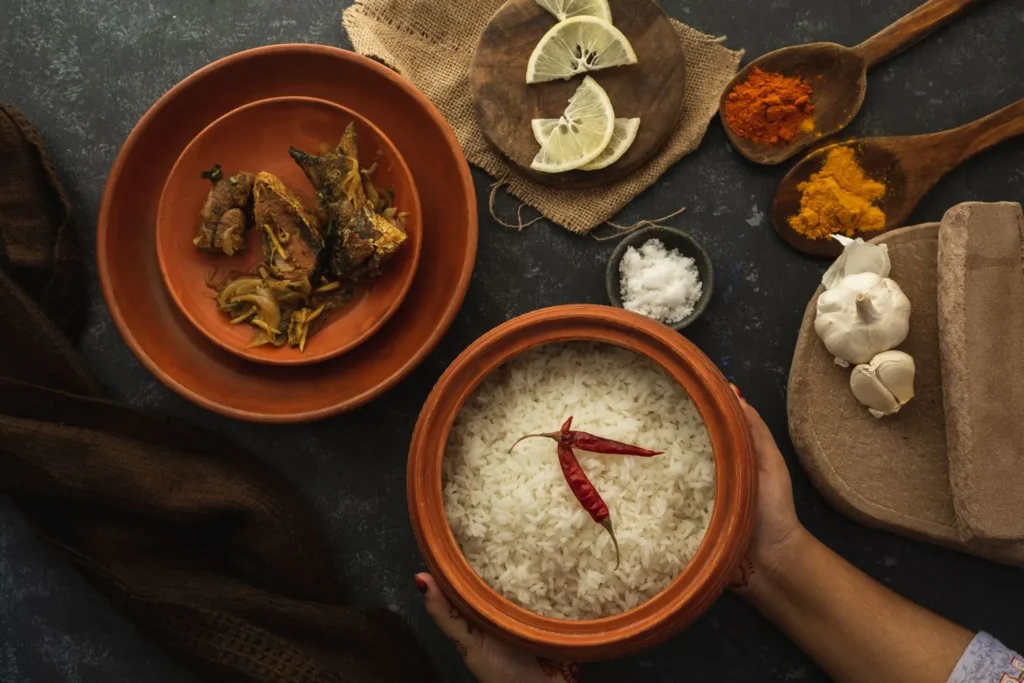
Learning how to cook rice is one of the most useful kitchen skills you can build. Rice feeds billions of people every day. Yet many home cooks still end up with mushy, sticky, or crunchy grains. The good news is that the fix is simple. Once you know the right water ratio, the right heat, and the right resting time, perfect rice becomes automatic.
In this guide, you will learn how to cook rice on the stove, in a rice cooker, in an Instant Pot, in the oven, and in the microwave. You will also get a timing chart, a water-ratio table, troubleshooting fixes, and food-safety rules. Bookmark this page, because you will come back to it often.
How to Cook Rice (The 60-Second Version)
If you want the fastest answer, here it is. This is the standard stovetop method for long-grain white rice.
- Rinse 1 cup of rice in cold water until the water runs mostly clear.
- Combine the rinsed rice with 1½ to 2 cups of water and a pinch of salt in a pot.
- Boil the water, then reduce the heat to the lowest setting.
- Cover the pot with a tight lid and simmer for 15 to 18 minutes.
- Rest the rice, still covered and off the heat, for 10 minutes.
- Fluff with a fork and serve.
Key rule: Never lift the lid while the rice simmers. Steam does the cooking, and every peek lets it escape.
That is the short answer. The rest of this article explains why each step matters, so you can adapt the method to any type of rice.
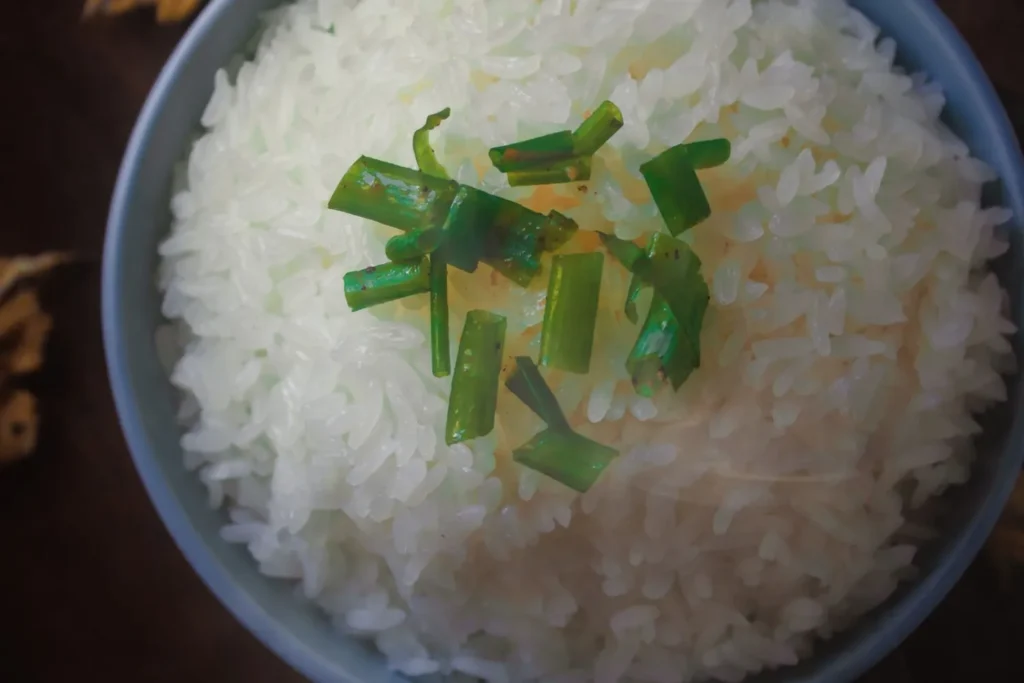
What You Need Before You Start
Good rice does not need fancy gear. However, a few simple tools make the process much easier. Gather these items first.
- A heavy-bottomed pot with a tight lid. A thick base spreads heat evenly and prevents scorching. A loose lid lets steam escape and leaves you with dry rice.
- A fine-mesh strainer. You will use it to rinse the grains.
- Measuring cups. Rice cooking depends on ratios, so guessing rarely works.
- A fork or rice paddle. These tools fluff the grains without crushing them.
- A timer. Rice is forgiving, but a timer removes the guesswork.
If you plan to cook rice often, an electric rice cooker is a smart investment. We cover it in Method 2. For help choosing kitchen gadgets, see our guide to the best smart kitchen gadgets worth buying.
Understanding the Main Types of Rice
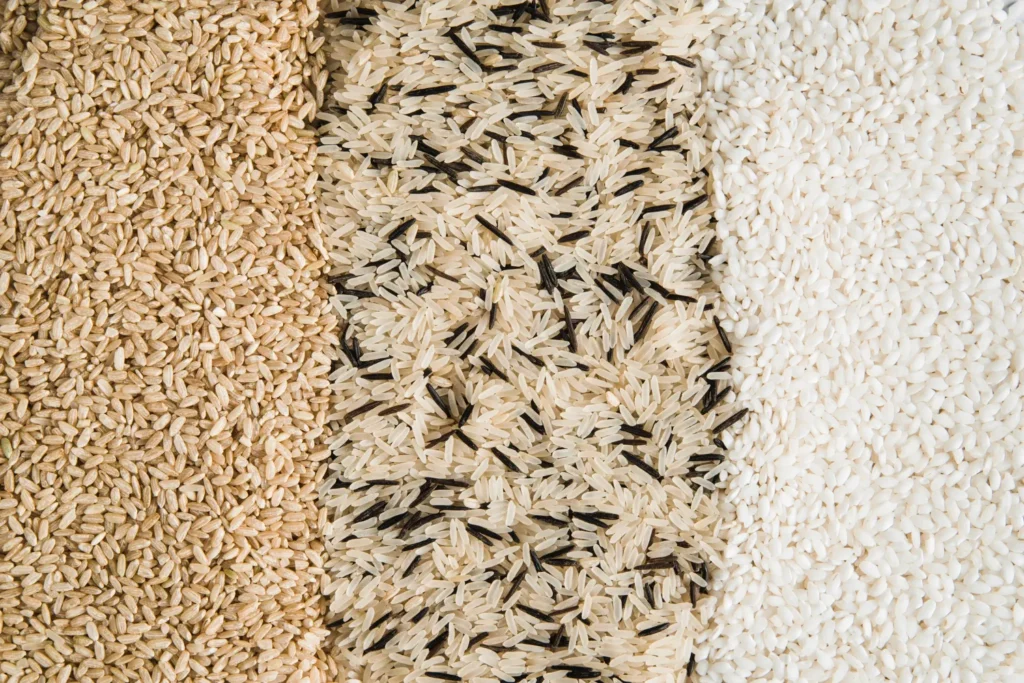
Before you learn how to cook rice, you should know which rice you are cooking. Different varieties behave differently. According to Wikipedia’s overview of rice, thousands of rice varieties exist worldwide. Most home cooks only need to know a handful.
Long-Grain Rice
Long-grain rice stays separate and fluffy after cooking. The grains are slender and dry. This category includes standard American long-grain white rice, basmati, and jasmine. Choose it for pilafs, curries, stir-fries, and side dishes.
Medium-Grain Rice
Medium-grain rice turns tender and slightly sticky. It works well in risotto, paella, and rice puddings. It also suits dishes where you want the grains to cling gently.
Short-Grain Rice
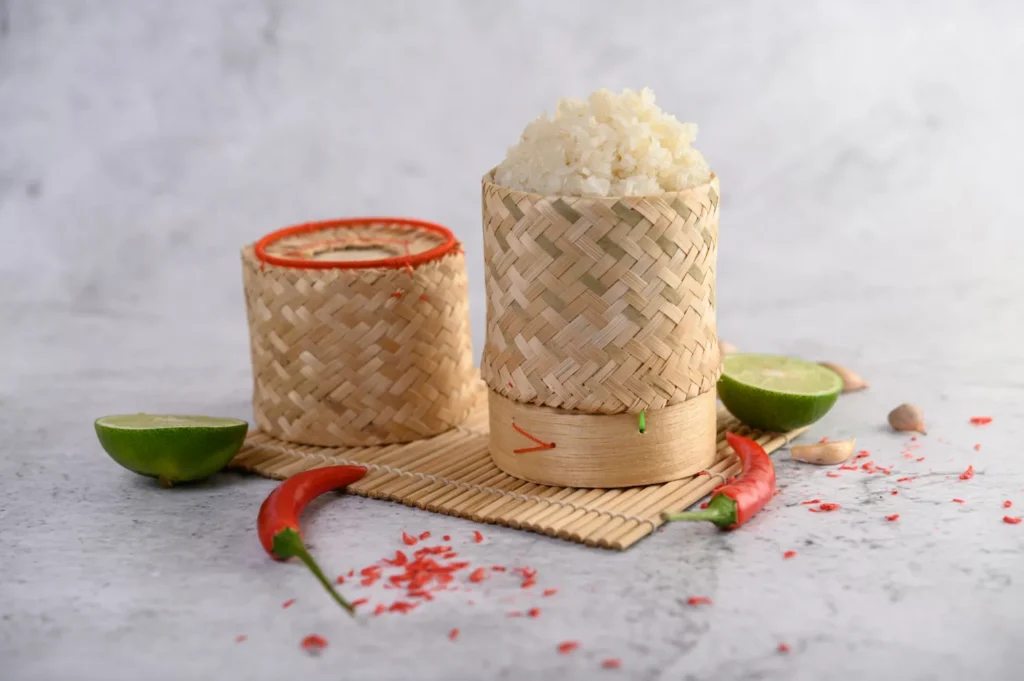
Short-grain rice cooks up soft and very sticky. Sushi rice belongs here. It is ideal for sushi, onigiri, and rice bowls. The stickiness comes from higher starch content.
Brown Rice
Brown rice is whole-grain rice with the bran layer intact. It has a nutty flavor and a chewy bite. It needs more water and more time than white rice.
Parboiled (Converted) Rice
Parboiled rice is partially cooked in the husk before milling. This process makes the grains firmer and harder to overcook. It is a great pick for beginners.
Wild Rice
Wild rice is technically the seed of an aquatic grass, not a true rice. Still, cooks use it the same way. It takes the longest to cook and has a deep, earthy flavor.
For deeper background on rice varieties and global production, visit the International Rice Research Institute (IRRI) and the USA Rice Federation.
The Golden Rice-to-Water Ratio Chart
The water ratio is the single most important factor when you cook rice. Too much water creates mush. Too little leaves the center hard. Use this chart as your starting point.
| Rice Type | Rice : Water Ratio | Simmer Time | Rest Time |
|---|---|---|---|
| Long-grain white | 1 : 1.5 to 1 : 2 | 15–18 min | 10 min |
| Jasmine | 1 : 1.5 | 15 min | 10 min |
| Basmati | 1 : 1.5 | 15 min | 10 min |
| Medium-grain white | 1 : 1.5 | 15–18 min | 10 min |
| Short-grain / sushi | 1 : 1.25 | 15 min | 10–15 min |
| Parboiled | 1 : 2 | 20–25 min | 5–10 min |
| Brown (long-grain) | 1 : 2 to 1 : 2.25 | 40–45 min | 10 min |
| Wild rice | 1 : 3 | 45–55 min | 5 min |
A quick note on ratios: Packaging instructions vary by brand. Therefore, always check the bag first. Then adjust slightly based on your pot, your stove, and your taste. If your rice comes out too wet, use a little less water next time. If it comes out too firm, add a splash more.
Easy memory trick: For many white rices, you can use the “knuckle method.” Level the rice in the pot. Then add water until it reaches the first joint of your index finger when the tip rests on the rice. It is not precise, but it works surprisingly often.
Should You Rinse Rice Before Cooking?
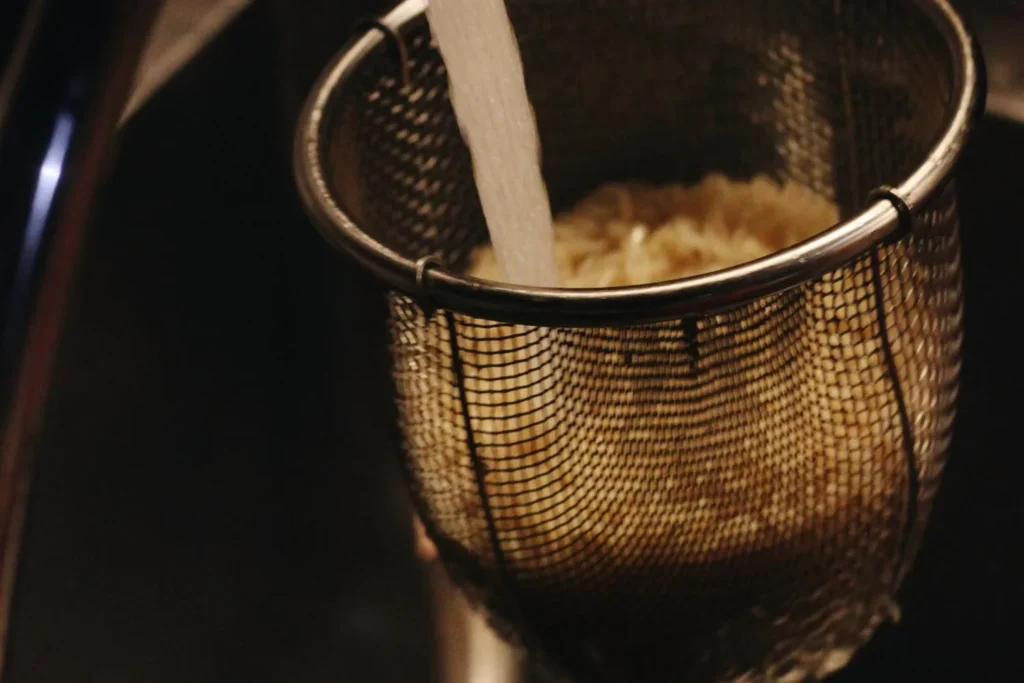
In most cases, yes. Rinsing washes away loose surface starch. That starch is the main cause of gummy, clumped rice. Rinsing also removes dust and small debris from processing.
How to Rinse Rice
- Place the rice in a fine-mesh strainer or a bowl.
- Run cold water over the grains.
- Swirl them gently with your hand.
- Repeat until the water turns mostly clear. This usually takes 2 to 4 rinses.
- Drain well before cooking.
When You Should Skip Rinsing
You may skip rinsing in a few cases. For example, risotto and paella depend on surface starch for a creamy texture. In addition, some enriched rice in certain regions is coated with added nutrients, and rinsing can wash those away. Always read the package label.
Rinsing and Arsenic
Rice can absorb more arsenic from soil and water than many other crops. Because of this, health agencies publish guidance on it. The U.S. Food and Drug Administration (FDA) has reviewed arsenic levels in rice and rice products. Rinsing and cooking rice in extra water may lower arsenic somewhat. Eating a varied diet with several grains is also a smart habit. For a broader view of rice nutrition and safety, you can browse the World Health Organization resources on food safety.
Method 1: How to Cook Rice on the Stove
The stovetop absorption method is the classic way to cook rice. It uses just rice, water, and heat. Moreover, it teaches you the basics that apply to every other method.
Ingredients
- 1 cup long-grain white rice
- 1½ to 2 cups water (see the ratio chart)
- ½ teaspoon salt
- 1 teaspoon butter or oil (optional)
Step-by-Step Instructions
Step 1: Rinse the rice. Place the rice in a strainer. Rinse it under cold water until the water runs clear. Drain it well.
Step 2: Add rice and water to the pot. Pour the rinsed rice into a medium saucepan. Add the water and salt. Add butter or oil if you want extra richness.
Step 3: Bring to a boil. Set the pot over high heat. Wait until the water reaches a full boil. Stir once, gently, to prevent sticking.
Step 4: Reduce the heat and cover. Turn the heat to its lowest setting. Place a tight lid on the pot. From this point, do not stir or lift the lid.
Step 5: Simmer. Cook for 15 to 18 minutes. The rice should absorb all the water by the end.
Step 6: Rest off the heat. Turn off the burner. Leave the lid on and let the rice sit for 10 minutes. This step lets moisture spread evenly through the grains. Skipping it is a very common mistake.
Step 7: Fluff and serve. Lift the lid and fluff the rice gently with a fork. Serve right away.
Why This Method Works
Boiling water first gelatinizes the starch on the outside of each grain. Then the gentle simmer and trapped steam finish cooking the center. Finally, the resting period lets excess steam redistribute. As a result, the grains turn tender, separate, and fluffy.
Stovetop Tips for Better Results
- Match pot size to quantity. A pot that is too wide causes uneven cooking. A pot that is too narrow causes boil-over.
- Use a heat diffuser on a strong burner. If your lowest flame is still too hot, a diffuser prevents scorching.
- Lay a clean kitchen towel under the lid. This traps extra moisture and keeps the rice from getting soggy.
- Do not stir during simmering. Stirring releases starch and makes rice gluey.
Method 2: How to Cook Rice in a Rice Cooker
A rice cooker is the easiest way to cook rice with zero stress. It senses when the water has been absorbed and then switches to “keep warm” mode. Therefore, it is nearly foolproof.
Step-by-Step Instructions
- Measure the rice using the cup that came with your cooker. Note that this cup is usually smaller than a standard US cup.
- Rinse the rice until the water runs mostly clear.
- Add water to the matching fill line inside the pot. Most cookers have lines for each cup of rice.
- Add salt if you like.
- Close the lid and press the “cook” button.
- Wait for the cooker to finish. It will click or beep when done.
- Rest the rice for 10 minutes with the lid closed.
- Fluff and serve.
Why a Rice Cooker Is Worth It
- It delivers consistent results every time.
- It frees up your stove for other dishes.
- It keeps rice warm for hours.
- Many models also steam vegetables, cook oatmeal, and bake simple cakes.
Rice cookers range from simple one-button units to advanced models with fuzzy logic and multiple grain settings. If you want to compare modern options, read our roundup of the best rice cookers and small kitchen appliances. You can also read about how these appliances work on the Wikipedia page for rice cookers.
Method 3: How to Cook Rice in an Instant Pot
An electric pressure cooker makes rice quickly and hands-free. The sealed environment also locks in steam, so the grains cook evenly.
Basic Instant Pot White Rice
- Rinse 1 cup of long-grain white rice.
- Add the rice and 1 cup of water to the inner pot. Add a pinch of salt.
- Seal the lid and set the valve to “Sealing.”
- Cook on high pressure for 3 to 4 minutes.
- Natural release for 10 minutes.
- Vent any remaining pressure, open the lid, and fluff.
Instant Pot Brown Rice
Use 1 cup of brown rice and about 1¼ cups of water. Cook on high pressure for roughly 22 minutes. Then allow a 10-minute natural release.
Important note: Pressure cooker models differ. Always check your manual and adjust the time slightly if needed. If you are shopping for a multi-cooker, our guide to smart home appliances that save time in the kitchen can help.
Method 4: How to Cook Rice in the Oven
Baking rice may sound unusual. However, it is one of the most reliable ways to get even, fluffy grains. It is also a great hands-off option when you are cooking for a crowd.
Ingredients
- 1 cup long-grain white rice
- 1¾ cups boiling water
- 1 tablespoon butter or oil
- ½ teaspoon salt
Step-by-Step Instructions
- Preheat the oven to 375°F (190°C).
- Place the rinsed rice, butter, and salt in a baking dish with a tight-fitting lid or foil.
- Pour the boiling water over the rice and stir once.
- Cover tightly with foil or a lid.
- Bake for 25 to 30 minutes.
- Rest the dish, covered, for 5 to 10 minutes.
- Fluff with a fork and serve.
Why the Oven Method Works
The oven surrounds the dish with steady heat. Because the temperature is gentle and even, the bottom does not scorch. Consequently, you get consistent rice with very little attention. This method also works well for large batches.
Method 5: How to Cook Rice in the Microwave
When you are short on time or equipment, the microwave works fine. It is perfect for small portions and dorm kitchens.
Step-by-Step Instructions
- Rinse 1 cup of long-grain white rice.
- Combine the rice, 2 cups of water, and a pinch of salt in a large microwave-safe bowl. The bowl should be at least three times the volume of the ingredients, because the water bubbles up.
- Cover loosely with a microwave-safe lid or plate.
- Microwave on high for 10 minutes.
- Reduce the power to 50 percent and cook for another 10 to 15 minutes, until the water is absorbed.
- Rest for 5 minutes, still covered.
- Fluff and serve.
Tip: Microwave wattage varies widely. Therefore, you may need to adjust the time by a minute or two. Take notes the first time so you can repeat the result.
How to Cook Brown, Basmati, Jasmine, and Sushi Rice
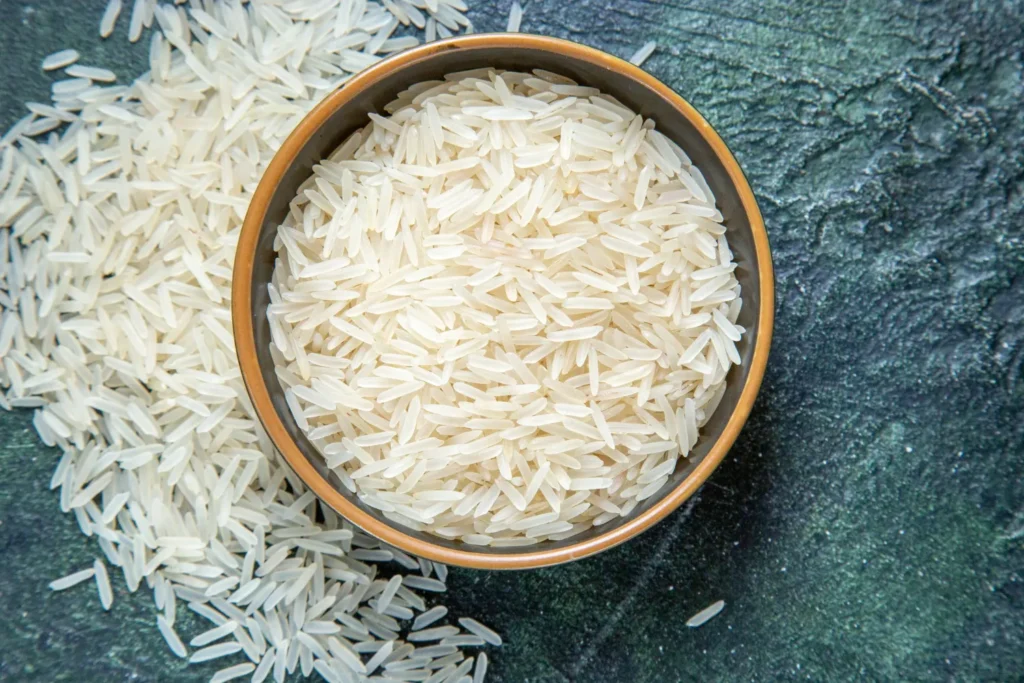
Each popular variety has its own quirks. Here is how to handle them.
How to Cook Brown Rice
Brown rice keeps its bran layer. That layer slows water absorption. As a result, brown rice needs more water and more time.
- Rinse 1 cup of brown rice.
- Combine with 2 to 2¼ cups of water and a pinch of salt.
- Bring to a boil, then reduce to a low simmer.
- Cover and cook for 40 to 45 minutes.
- Rest for 10 minutes, then fluff.
Pro tip: Soaking brown rice for 30 minutes before cooking can shorten the cook time and improve texture.
How to Cook Basmati Rice
Basmati is prized for its long, slender grains and fragrant aroma. It rewards careful handling.
- Rinse 1 cup of basmati rice until the water runs clear.
- Soak the rice in cool water for 20 to 30 minutes, then drain.
- Combine with 1½ cups of water and a pinch of salt.
- Bring to a boil, reduce the heat, cover, and simmer for 12 to 15 minutes.
- Rest for 10 minutes and fluff gently.
Soaking helps the grains stretch to their full length and cook evenly. For a bit of cultural context on this variety, see the Wikipedia entry on basmati.
How to Cook Jasmine Rice
Jasmine rice is softer and slightly stickier than basmati. It has a gentle floral scent.
- Rinse 1 cup of jasmine rice two or three times.
- Combine with 1¼ to 1½ cups of water.
- Bring to a boil, then reduce to low.
- Cover and cook for 15 minutes.
- Rest for 10 minutes and fluff.
Jasmine pairs beautifully with Thai curries, grilled meats, and stir-fries.
How to Cook Sushi Rice
Sushi rice needs careful rinsing and seasoning.
- Rinse 1 cup of sushi rice several times until the water is almost clear.
- Combine with 1¼ cups of water.
- Bring to a boil, reduce the heat, cover, and simmer for 15 minutes.
- Rest for 10 to 15 minutes.
- Mix 2 tablespoons of rice vinegar, 1 tablespoon of sugar, and ½ teaspoon of salt. Fold this into the warm rice with gentle cutting motions.
How to Fix Common Rice Problems
Even experienced cooks run into trouble. Fortunately, most rice mistakes have simple fixes.
Why Is My Rice Mushy?
Mushy rice usually means too much water, too much stirring, or overcooking. Next time, measure the water more carefully and avoid stirring. Also, remove the pot from the heat on time.
Quick fix: Spread the mushy rice on a baking sheet and bake it at a low temperature for a few minutes to dry it out. You can also turn it into fried rice, since slightly wet rice works well there.
Why Is My Rice Sticky or Gummy?
Sticky rice usually means excess surface starch. Rinse the rice more thoroughly before cooking. Also, avoid stirring during the simmer and use the correct water ratio.
Why Is My Rice Hard or Crunchy?
Crunchy rice means the grains did not absorb enough water or steam. The lid may have been loose, or the heat may have been too low.
Quick fix: Add 2 to 4 tablespoons of hot water. Cover the pot tightly and cook on low heat for 5 more minutes. Then let it rest.
Why Is the Bottom of My Rice Burnt?
The heat was probably too high during the simmer. Use the lowest setting, a heavy pot, or a heat diffuser. If the bottom burns, do not scrape it. Instead, transfer the good rice on top to another bowl.
Why Did My Rice Boil Over?
The pot was likely too small, or the heat was too high. Use a larger pot and reduce the heat as soon as the water boils. Leaving the lid slightly ajar during the initial boil also helps.
Why Is My Rice Bland?
Rice absorbs flavor from its cooking liquid. Season the water with salt. In addition, consider cooking the rice in broth, adding aromatics, or finishing with butter and herbs.
For more kitchen troubleshooting and everyday home tips, explore our home and kitchen tips hub.
Pro Tips for Better Flavor
Plain rice is a blank canvas. A few small upgrades can transform it.
- Toast the grains. Sauté dry rice in a little butter or oil for 2 to 3 minutes before adding water. This adds a nutty depth, and it is the basis of pilaf.
- Use broth instead of water. Chicken, vegetable, or beef stock adds instant flavor.
- Add aromatics. Drop in a bay leaf, a cinnamon stick, cardamom pods, or a smashed garlic clove.
- Stir in fat at the end. A knob of butter or a drizzle of olive oil adds richness and shine.
- Finish with fresh ingredients. Chopped herbs, lemon zest, or toasted nuts brighten the dish.
- Try coconut milk. Replace half the water with coconut milk for a creamy, tropical rice.
- Season with spices. Turmeric, cumin, and saffron add color and warmth.
If you like cooking with the help of technology, you may enjoy our article on using AI tools to plan meals and recipes.
How to Store and Reheat Rice Safely
Food safety matters with rice. Cooked rice can carry spores of Bacillus cereus, a bacterium that survives cooking. If rice sits at room temperature, the spores can grow and produce toxins. Reheating does not always destroy these toxins. Therefore, you should handle leftovers with care.
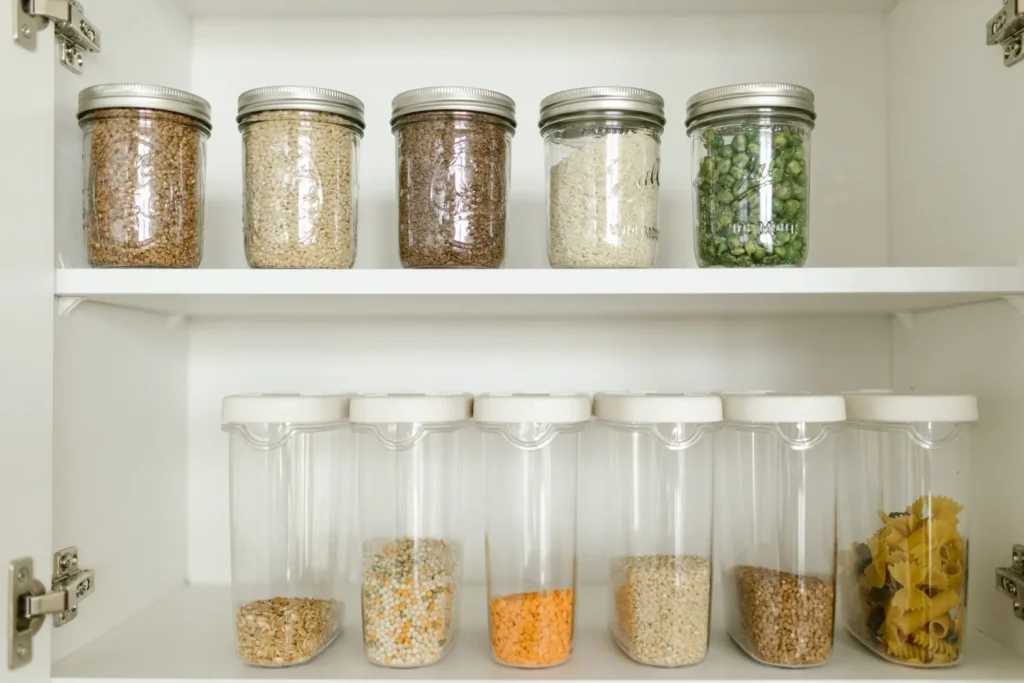
Safe Storage Rules
- Cool quickly. Try to refrigerate cooked rice within one hour. Spread it in a shallow container so it cools faster.
- Refrigerate promptly. Keep it in an airtight container in the fridge.
- Eat soon. Many food-safety authorities advise eating refrigerated rice within one day. General USDA leftover guidance allows up to three to four days, but fresher is safer.
- Freeze for longer storage. Portion cooled rice into freezer bags. It keeps well for about a month.
Safe Reheating Rules
- Reheat only once.
- Heat the rice until it is steaming hot all the way through.
- Add a splash of water to keep it moist.
- Never leave rice sitting out for hours.
For official guidance, consult FoodSafety.gov, the USDA, and the UK National Health Service. The CDC also publishes advice on preventing foodborne illness.
Is Rice Healthy?
Rice can be part of a balanced diet. It supplies energy, and it is naturally low in fat. It is also gluten-free, which makes it useful for people avoiding gluten.
White Rice vs. Brown Rice
White rice has the bran and germ removed. This gives it a softer texture and longer shelf life. Brown rice keeps those parts. As a result, it generally contains more fiber, magnesium, and certain B vitamins. Even so, both can fit into a healthy eating pattern.
Tips for a Healthier Plate
- Pair rice with vegetables and lean protein.
- Watch your portion size.
- Rotate rice with other grains like quinoa, barley, and millet.
- Choose whole-grain options when you can.
Disclaimer: This article is for general information. It does not replace advice from a doctor or registered dietitian, especially if you manage a health condition.
What is the water-to-rice ratio for perfect rice?
For most long-grain white rice, use 1 cup of rice to 1½ to 2 cups of water. Jasmine and basmati usually need about 1½ cups. Brown rice needs about 2 to 2¼ cups. Always check the package for brand-specific advice.
How long does it take to cook rice?
White rice usually takes 15 to 18 minutes of simmering plus 10 minutes of resting. Brown rice takes 40 to 45 minutes. Pressure cookers and rice cookers can be faster or more hands-off.
Do you cook rice with the lid on or off?
Cook rice with the lid on. The lid traps steam, which cooks the grains evenly. Lifting it lets heat and moisture escape, which can leave the rice undercooked.
Should I boil the water before adding rice?
You can do it either way. Most stovetop recipes start with cold water and bring everything to a boil together. The oven method, however, uses boiling water from the start.
Why do you let rice rest after cooking?
Resting allows moisture to spread evenly through the grains. It also firms them up so they do not break when you fluff. About 10 minutes is ideal.
Can you cook rice without a rice cooker?
Yes. You can cook rice on the stove, in an oven, in a microwave, or in a pressure cooker. The stovetop method needs only a pot with a tight lid.
How do you cook rice so it is not sticky?
Rinse the rice well, use the right amount of water, avoid stirring during the simmer, and let it rest before fluffing. Long-grain varieties like basmati also turn out less sticky than short-grain rice.
How much rice should I cook per person?
Plan on about ½ cup of uncooked rice per adult as a side dish. Increase to ¾ cup if rice is the main part of the meal. One cup of dry rice makes roughly 3 cups of cooked rice.
Is it okay to cook rice in broth?
Absolutely. Broth adds extra flavor. Reduce added salt if the broth is already salty.
Can you overcook rice?
Yes. Overcooked rice turns mushy and breaks apart. Stick to the recommended timing and avoid excess water.
Can I freeze cooked rice?
Yes. Cool it quickly, portion it into freezer-safe bags, and freeze for up to about a month. Reheat until steaming hot.
Your Path to Perfect Rice
Now you know how to cook rice with confidence. Start with the basics: rinse, measure, simmer, rest, and fluff. Then pick the method that fits your kitchen. A rice cooker offers ease. A pressure cooker offers speed. The stovetop offers control. The oven offers hands-off consistency. The microwave offers convenience.
Remember that rice is forgiving, so every batch teaches you something. Take notes on your ratios and timing. Over time, you will build a routine that works with your pot and your stove.
Key Takeaways
- Use the right rice-to-water ratio for your variety.
- Rinse most rice to remove excess starch.
- Never lift the lid during the simmer.
- Rest the rice for about 10 minutes before fluffing.
- Store leftovers safely and reheat them thoroughly.
If this guide helped you, share it with a friend who struggles in the kitchen. For more practical home, tech, and kitchen guides, explore the rest of findtechome.com. You may also like our posts on smart kitchen gadgets, AI meal planning tools, and home and kitchen tips.
Ready to cook? Grab your pot, measure your rice, and try the stovetop method tonight. You will taste the difference.