The technology innovations that generate the loudest headlines are not always the ones that end up changing daily life the most. Several genuinely significant shifts have moved from research labs into ordinary routines over the last couple of years with relatively little fanfare, mostly because they show up as small, incremental improvements rather than a single dramatic launch event.
On-device AI processing
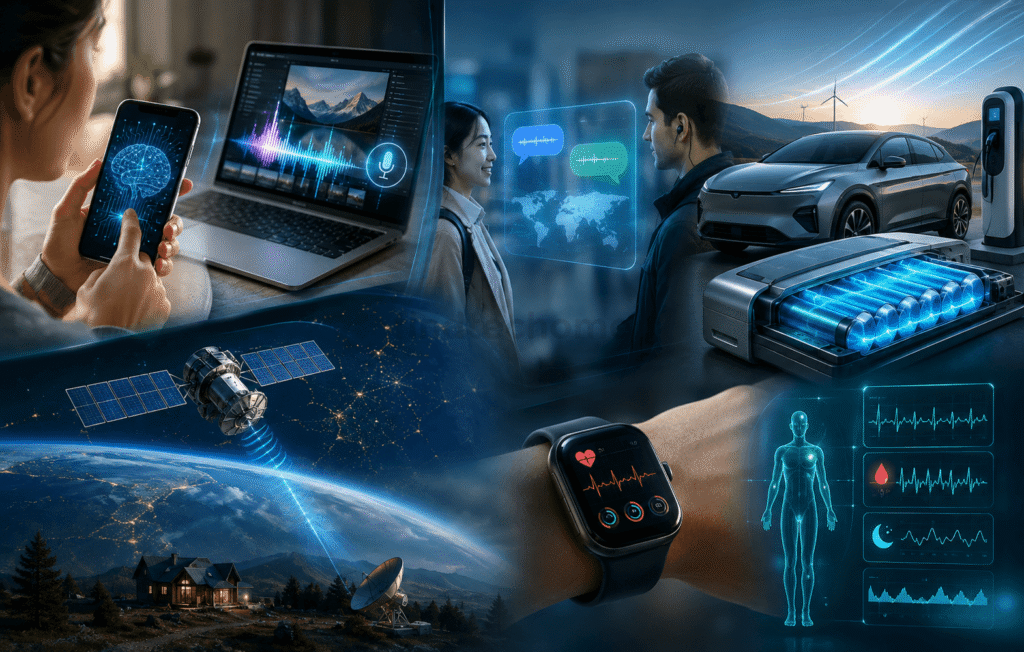
Many AI features that used to require sending data to a remote server now run directly on a phone or laptop, processing voice commands, photo editing, and text suggestions locally without an internet round trip. This shift matters for two practical reasons: it is faster, since there is no network delay, and it keeps more personal data on the device itself rather than sending it to a company’s servers for processing, an increasingly important consideration as AI features get embedded into more everyday apps.
Real-time translation that actually works
Live translation tools have crossed a genuine usability threshold, moving from a novelty that produced awkward, delayed, and frequently wrong translations to a tool travelers and international teams actually rely on for real conversations. This has quietly changed international travel and cross border business communication for people who previously avoided situations requiring a language they did not speak, without ever being marketed as a single flagship product launch.
Battery chemistry improvements
Incremental improvements in battery chemistry have quietly extended the range of electric vehicles and the runtime of consumer electronics year over year, without any single breakthrough generating major headlines. These gains compound over time, and the practical result is that concerns about electric vehicle range and device battery life that were common talking points a few years ago have become noticeably less central to purchasing decisions today.
Satellite internet reaching remote areas
Low earth orbit satellite internet has extended reliable, reasonably fast connectivity to rural areas and remote regions that traditional broadband infrastructure never reached economically. For people in these areas, this has changed access to remote work, telemedicine, and online education in a way that gets far less attention than it would if it had happened in a dense, heavily covered urban market instead.
Wearable health monitoring becoming genuinely clinical
Consumer wearables have moved past step counting into tracking metrics, heart rhythm irregularities, blood oxygen trends, sleep quality patterns, precise enough that some have received regulatory clearance for specific medical uses, and doctors increasingly ask patients for data from these devices as part of a diagnosis. This shift has happened gradually through firmware updates and incremental sensor improvements rather than a single dramatic product announcement, which is exactly why it has reshaped preventive healthcare habits for millions of people without becoming a major news story in its own right.